Model 1871 Spencer Rifle” A.K.A. “Spencer 1865/1871 Conversion - Antique Associated At West Townsend
Model 1871 Spencer Rifle” A.K.A. “Spencer 1865/1871 Conversion
Please click on images to expand.
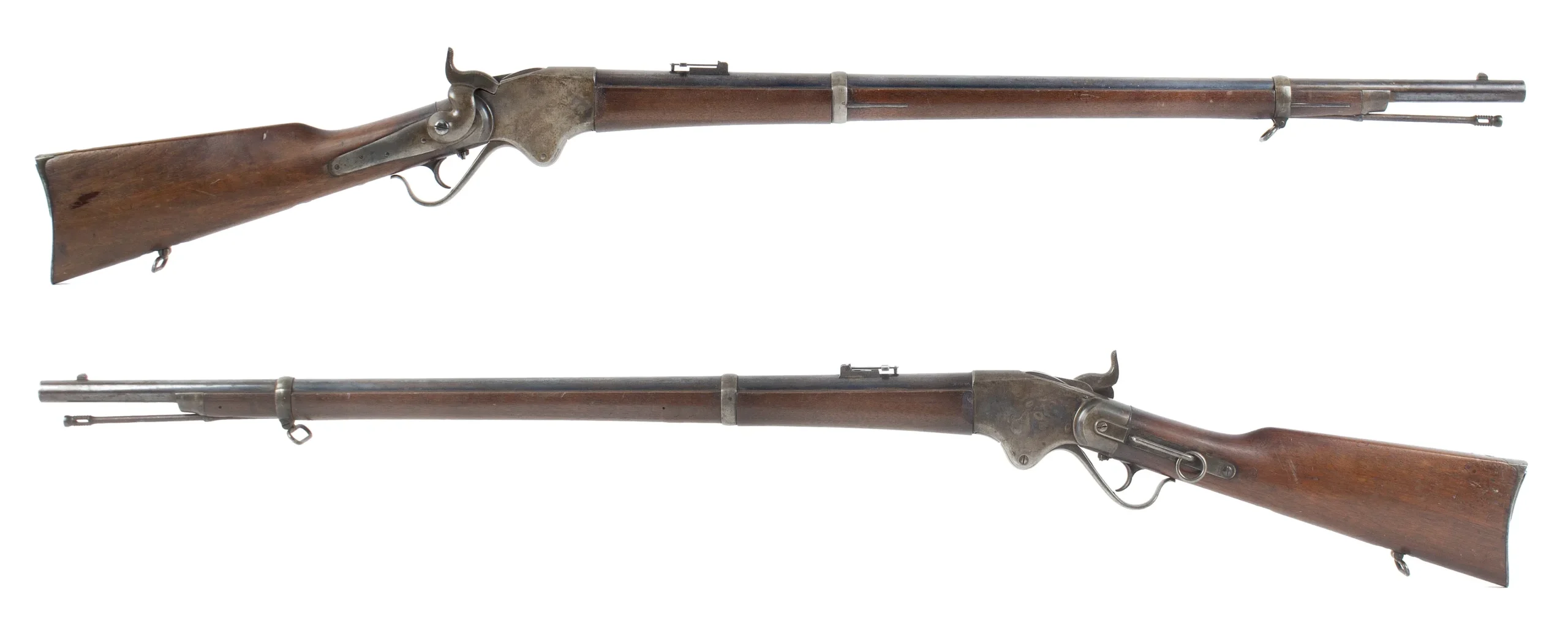
U.S. Springfield Armory conversion of a Burnside Rifle Co. Model 1865 Spencer cavalry carbine to an infantry rifle configuration, performed in 1871; only about 1,109 of these alterations were completed, making them relatively scarce and desirable among collectors of Indian Wars-era or transitional firearms.
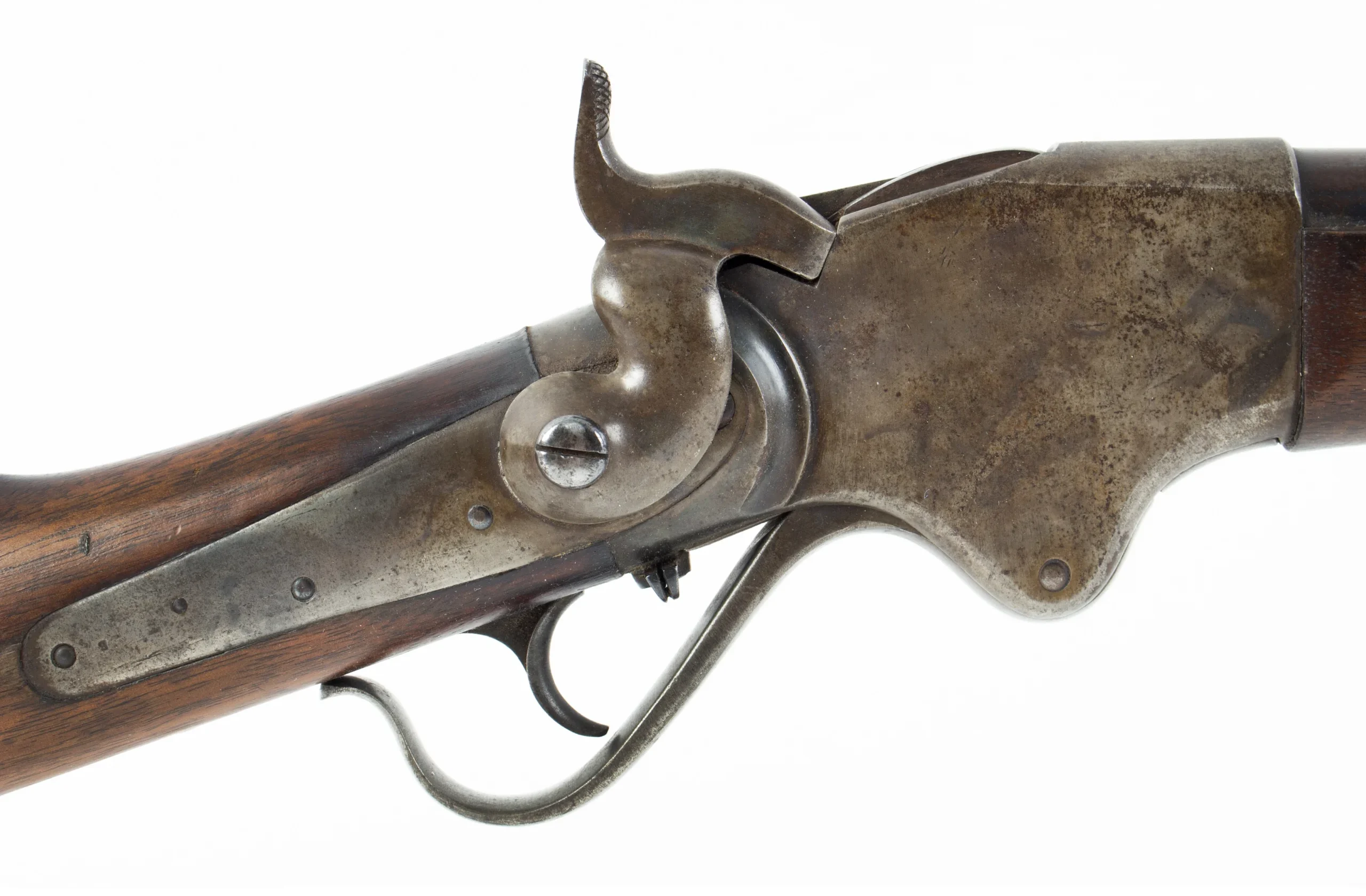
Condition: The metal shows honest age patina (mottled brown/gray on receiver, some original case colors remaining), high percentage of blue/brown color on the barrel; strong rifling, and good wood integrity with minor/trivial dings/scratches.
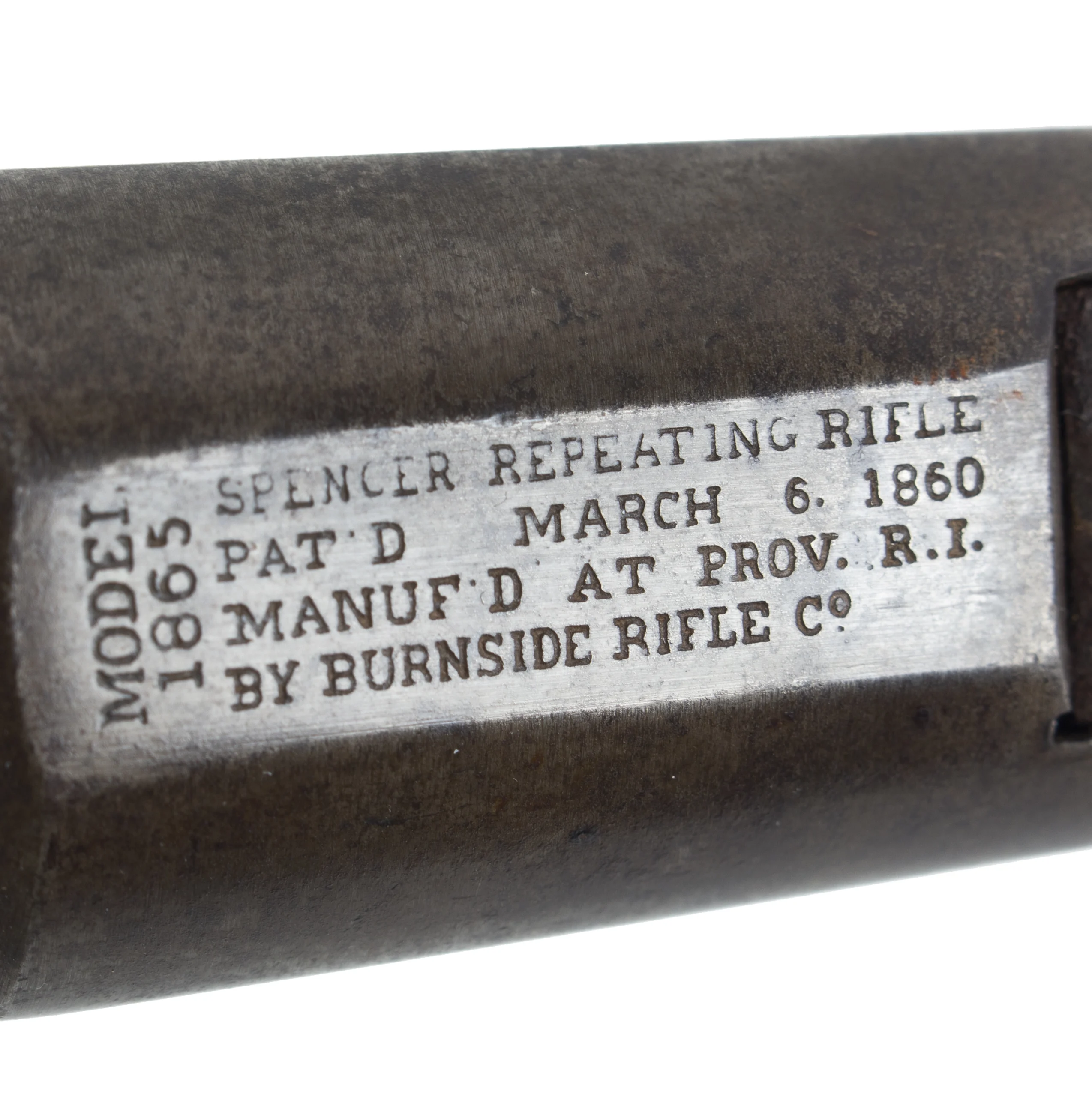
Markings on Receiver: The top flat shows the standard Burnside production stamping: “SPENCER REPEATING RIFLE / MODEL 1865 / PAT’D MARCH 6. 1860 / MANUF’D AT PROV. R.I. / BY BURNSIDE RIFLE CO.” This confirms it started as a Burnside-made Model 1865 carbine (produced 1865–1866 in Providence, Rhode Island, under U.S. contract). Burnside delivered around 30,000+ of these carbines originally.
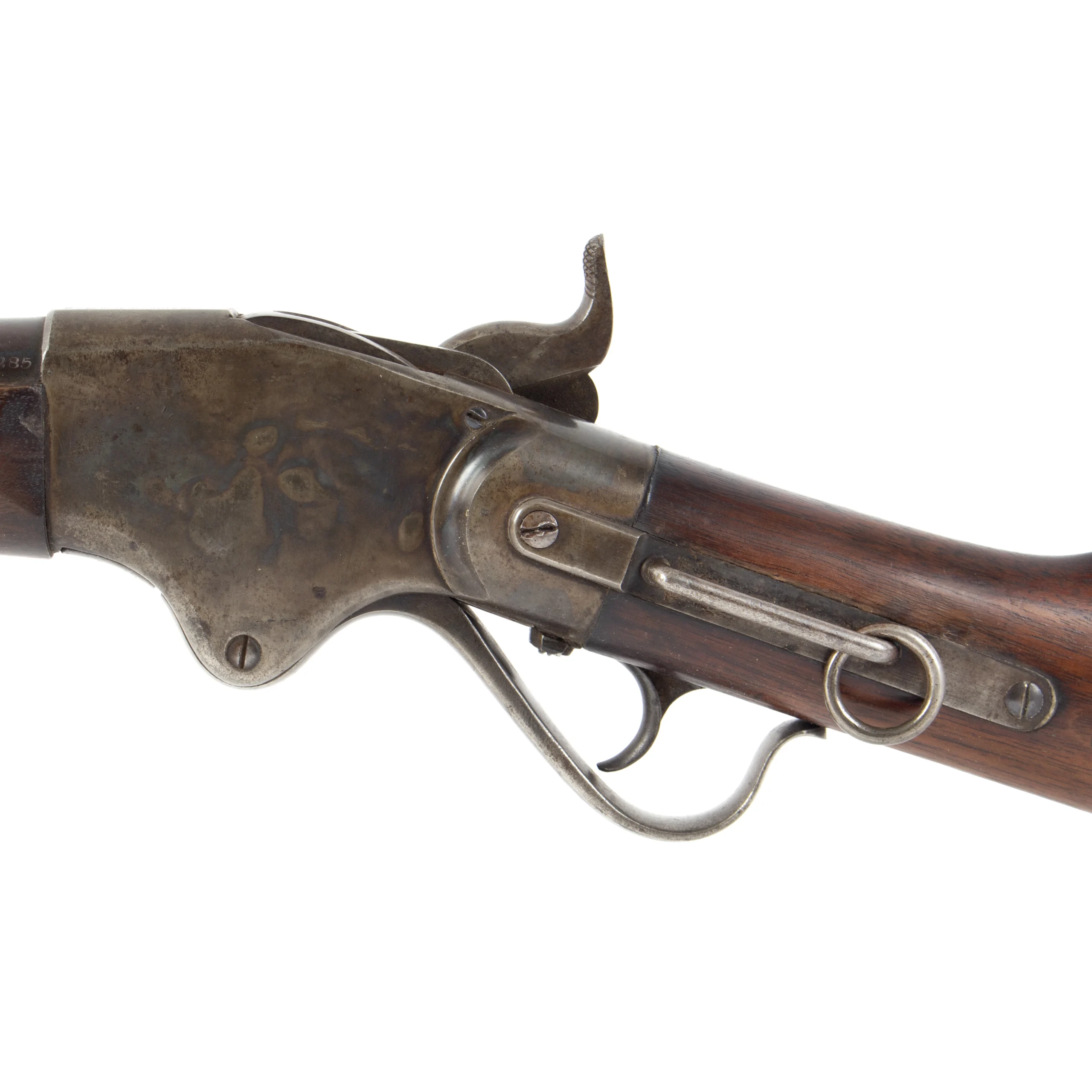
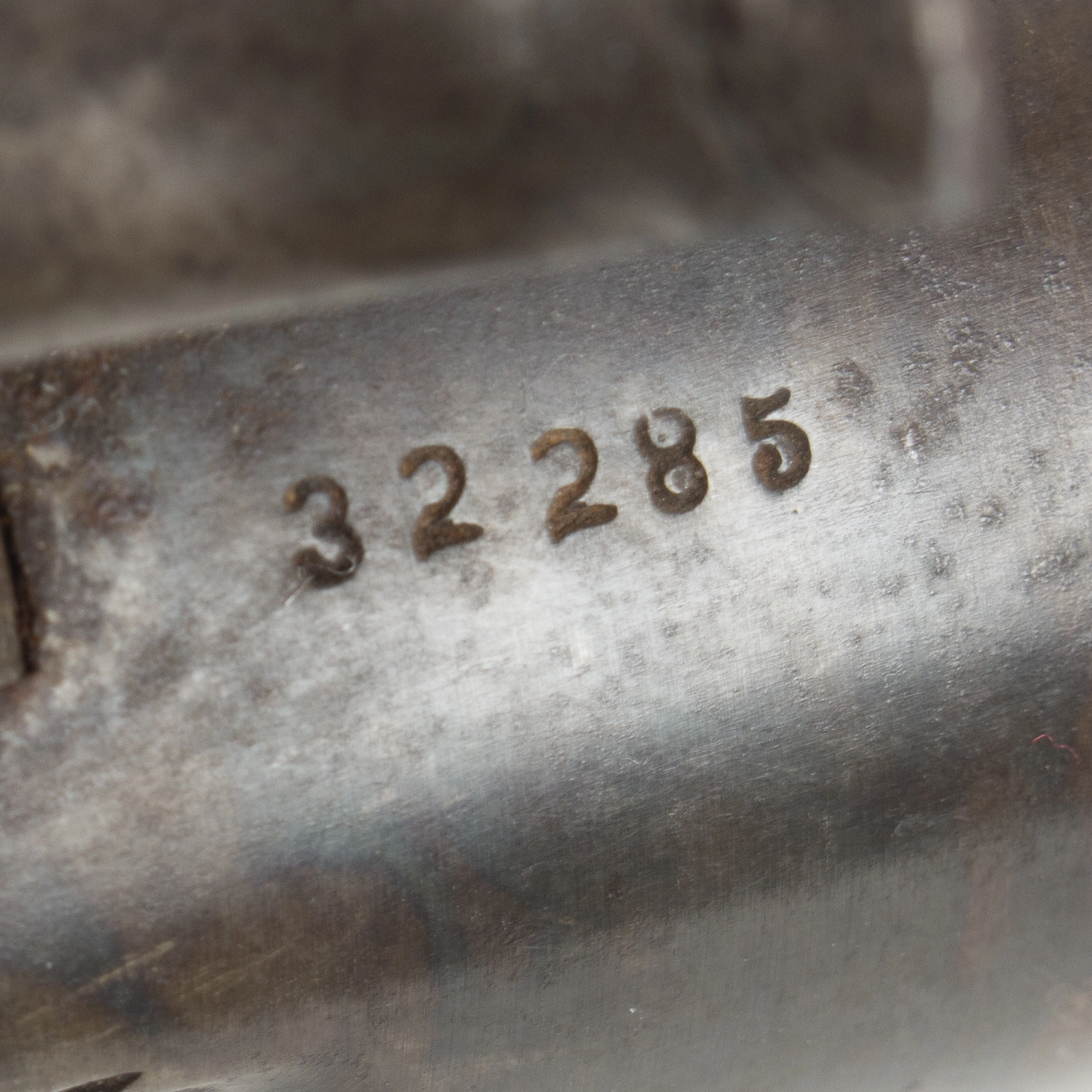
Serial Number: 32285 (stamped on the left side of the barrel and visible on the receiver area. This falls squarely within the known Burnside Model 1865 carbine serial range (roughly 1 to ~34,000). During conversion, Springfield restamped the original carbine serial number onto the new barrel’s left breech area for matching.
Conversion Features:
New 32.5-inch round barrel (our overall length of ~50″ aligns closely; slight variations occur due to measurement from muzzle to buttplate or stock wear). This replaced the original ~20-inch carbine barrel and followed the Model 1868 Springfield rifle pattern, with three-groove rifling.
Chambered in .50 rimfire (.56-50 Spencer cartridge), the tapered improvement over the earlier .56-56.
Two barrel bands (upper and lower) instead of the carbine’s single band or the original full Spencer’s three—standard for these conversions to support the longer forend.
Full-length walnut forend and refinished buttstock (typical arsenal work; wood often shows smoothing or replacement sections).
Stabler cutoff device (visible in side view detailed images below description) as the small lever/switch in front of the trigger guard). This allows single-shot loading while reserving the 7-round tubular magazine—almost always added or retained during these 1871 conversions.
Saddle ring and bar retained from the original carbine configuration (on the left side of the receiver).
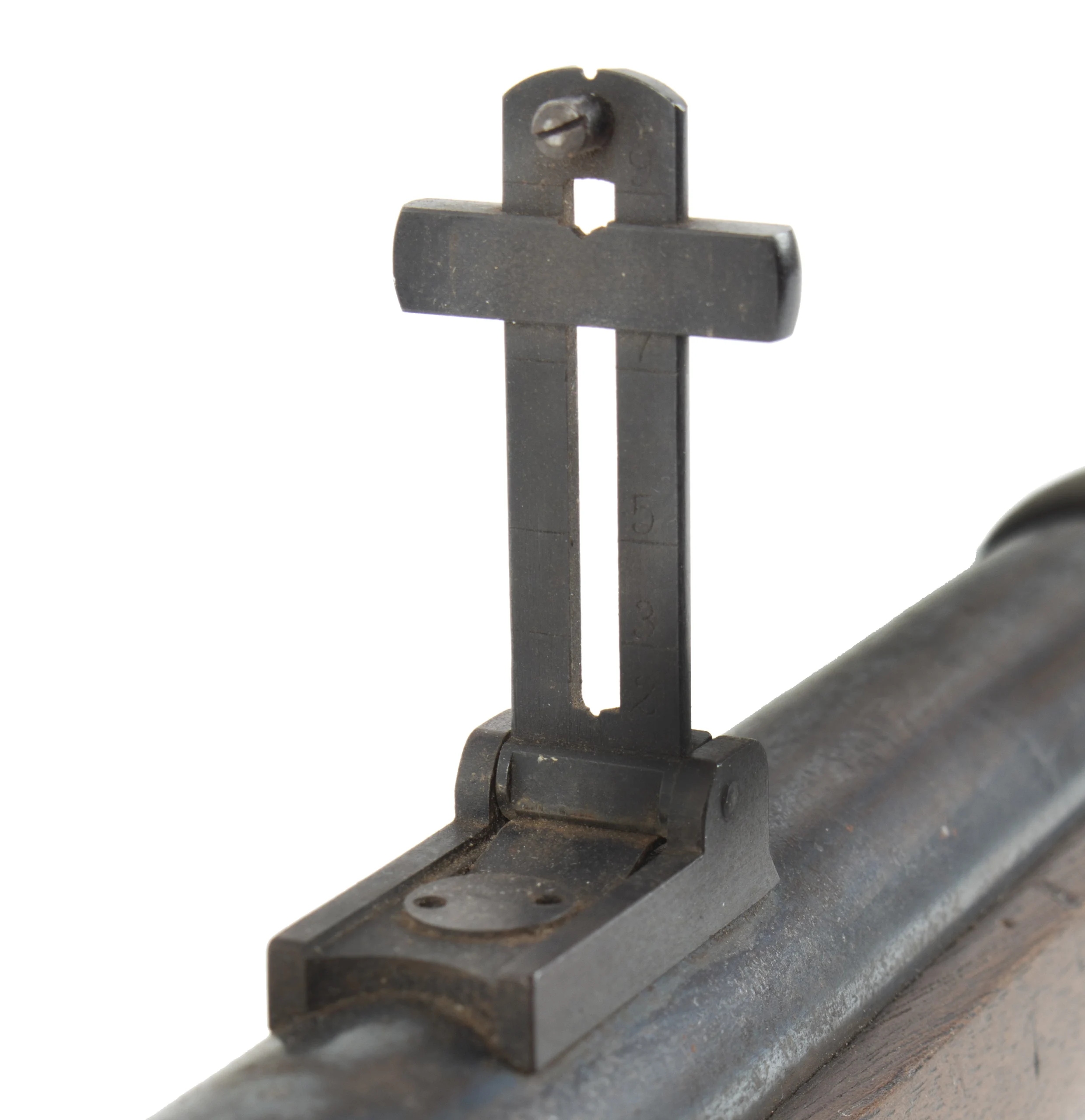
Rear sight: The folding leaf with graduated ladder (marked up to 5 or similar) matches the military pattern used on these.
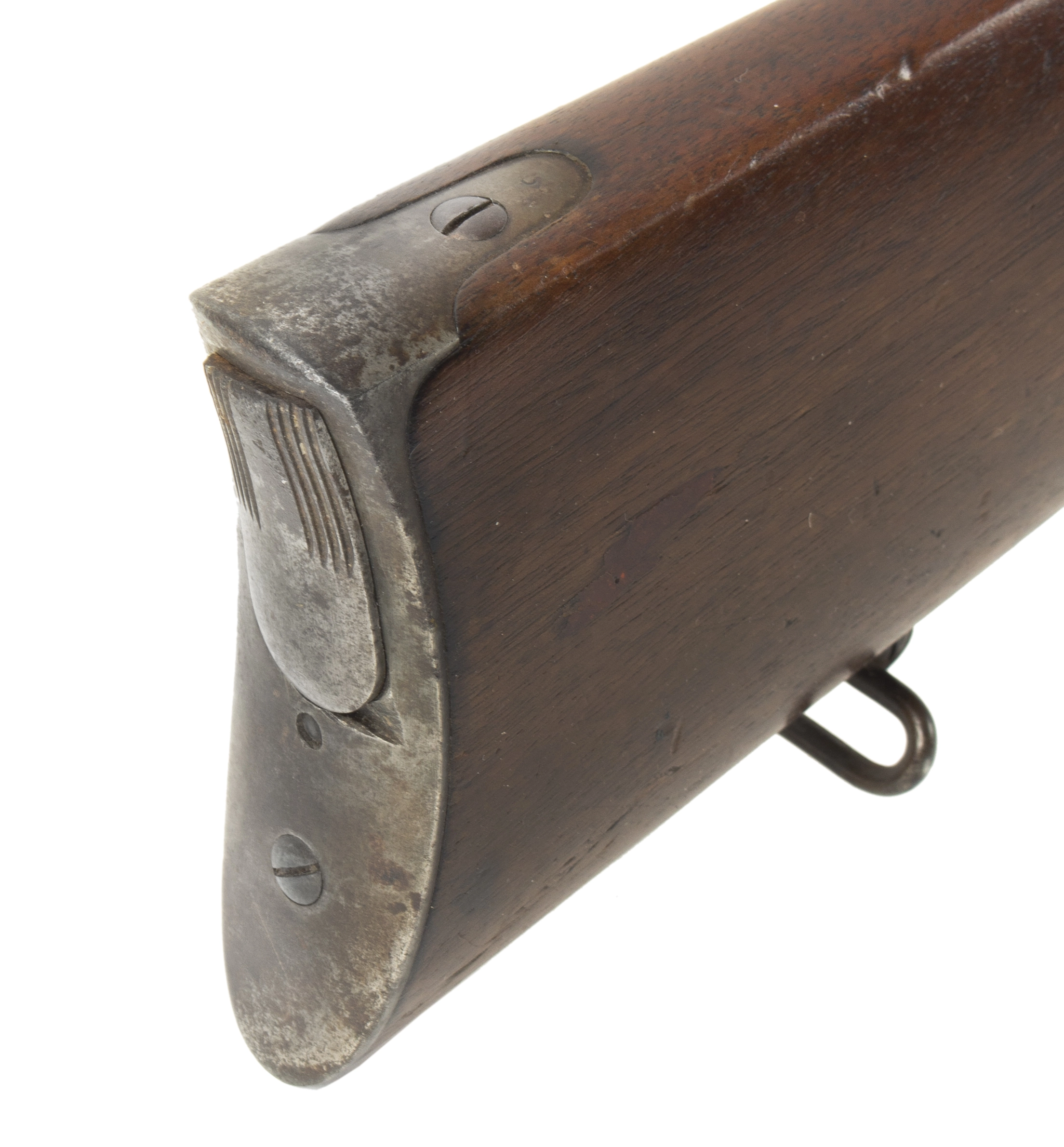
Buttplate with trapdoor for the cleaning rod (buttstock photo shows the typical rounded profile and iron buttplate with rod recess).
Cartouche: The “ESA” oval stamp on the left stock flat is Erskine S. Allin (Springfield’s Master Armorer, 1865–1878). He inspected and accepted many firearms, including these Spencer conversions. Its presence strongly confirms official Springfield Armory work.
Post-Civil War, Historical Context: The U.S. Army had thousands of surplus Spencer carbines (many needing repair). In early 1871, Springfield Armory proposed converting 1,100 unserviceable Burnside Model 1865 carbines into longer infantry rifles for frontier/Indian Wars use. Approval came quickly; work ran from 1871 to 1874. These saw limited issue before being supplanted by the single-shot .45-70 Trapdoor Springfields in the mid-1870s. They represent a fascinating “bridge” between repeating carbines and the trapdoor era.
All objects are sold within our now 40-year-old 100% customer satisfaction policy.
Shipping and insurance quotes are based on your zip code.
Comfortable layaway terms always available.
Discounted prices are for check or cash; please know that we accept all credit cards although we cannot offer full discount if remunerating by credit card.